PROJECT BACKGROUND
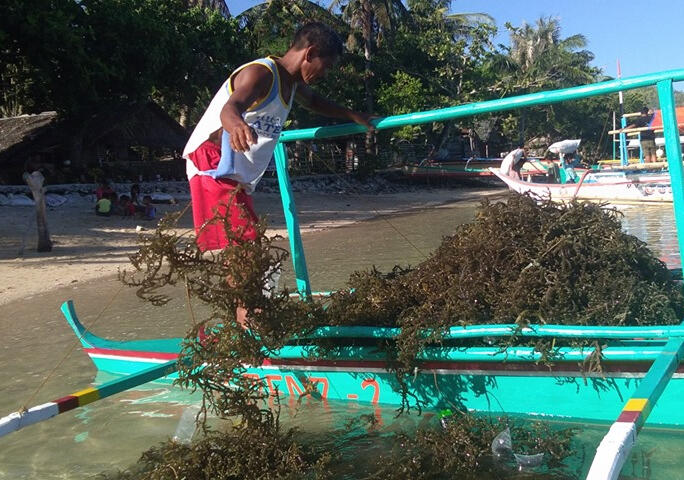
Project Shell was initiated in response to the unintended consequences of Agrabah Venture's successful seaweed production campaign in the Bicol Region of the Philippines.The project addresses the influx of sea turtles in the Caramoan Area attracted by the abundance of seaweed, their natural food source. Recognizing the need to protect these endangered species from harm caused by seaweed farmers, Agrabah Ventures launched an information campaign to promote coexistence and discourage the hunting of sea turtles. Building upon this success, Project Shell aims to develop comprehensive research and conservation strategies by collaborating with local communities and stakeholders.The project seeks to establish measures that balance seaweed farming with sea turtle preservation, ensuring their long-term survival while promoting sustainable development in the region.
OUR WORK
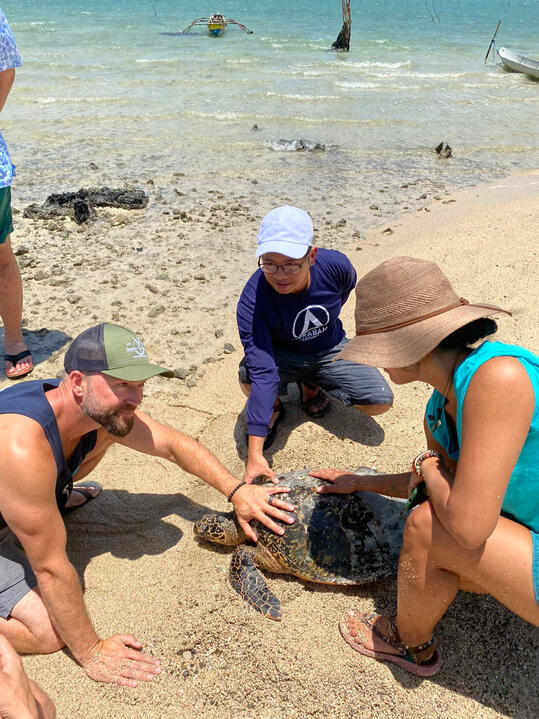
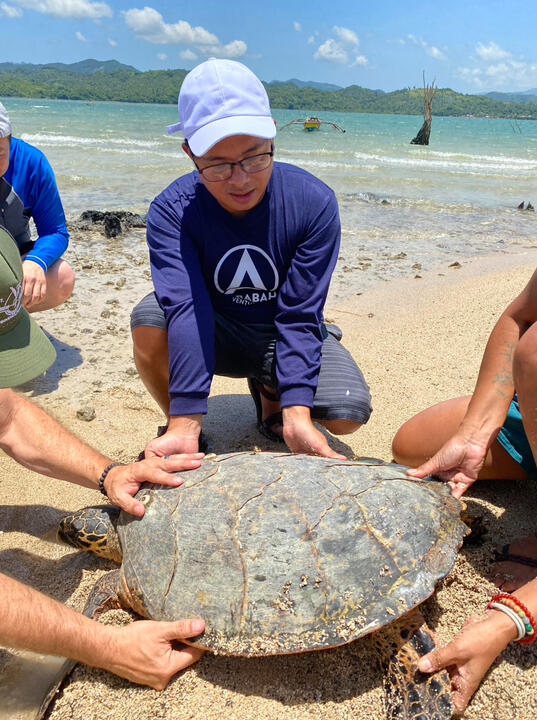
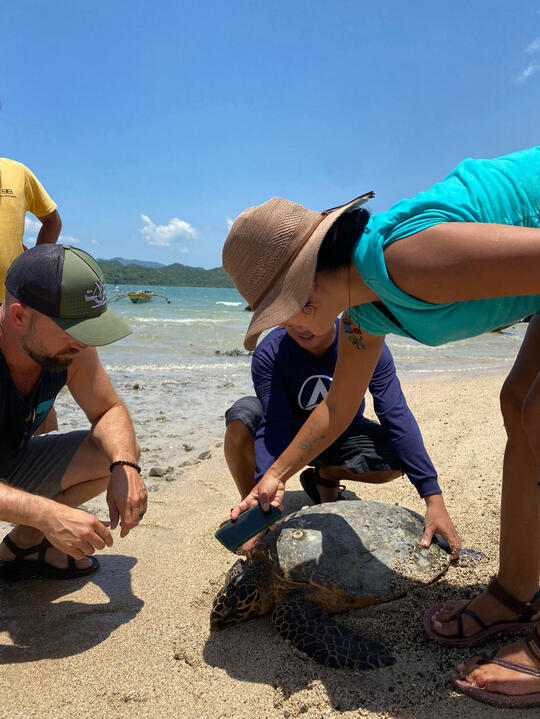
Agrabah Ventures launched an information campaign targeting seaweed farmers to promote coexistence with sea turtles and discourage their capture. The organization actively receives reports of trapped turtles and conducts assessments before releasing them back into the wild. They aim to establish a dedicated facility for the project to care for surrendered turtles. Agrabah Ventures also plans to upgrade their technological capabilities by implementing tagging systems for better monitoring and research. These efforts reflect their commitment to sea turtle conservation and fostering harmony between turtles and the local community in the Caramoan Area.
PROJECT IMPACT
1. Increase in the number of reported sea turtle rescues:
By actively encouraging farmers to report trapped sea turtles and providing them with the necessary information, the project aims to significantly increase the number of reported sea turtle rescues. The impact can be measured by tracking the number of reported cases and comparing it to the pre-project baseline.2. Reduction in sea turtle mortality rates due to entanglement:
Through the prompt response and release of trapped sea turtles, the project aims to reduce mortality rates associated with entanglement in fish cages, nets, and farms. The impact can be measured by monitoring and documenting the number of released turtles that successfully survive post-release.3. Establishment of a dedicated physical facility:
The successful establishment of a physical facility for Project Shells will provide a centralized location for the reception and care of surrendered sea turtles. The impact can be measured by the completion and operationalization of the facility within the set timeframe.4. Increase in the percentage of rehabilitated sea turtles:
With the establishment of a physical facility, the project aims to increase the percentage of surrendered sea turtles that undergo rehabilitation if needed. The impact can be measured by tracking the number of turtles successfully rehabilitated and released back into the wild.5. Enhanced understanding of sea turtle population and migration patterns:
By implementing tagging systems and conducting research, the project aims to gather valuable data on sea turtle population dynamics and migration patterns in the region. The impact can be measured by the number of tagged turtles and the resulting insights into their movement and distribution.6. Improved community awareness and engagement:
The information campaign and community involvement efforts of the project aim to enhance awareness among farmers and the local community about the importance of sea turtle conservation. The impact can be measured through pre- and post-project surveys to assess the level of knowledge and attitudes towards sea turtles among the target audience.7. Strengthened collaboration with relevant stakeholders:
The project aims to establish and strengthen partnerships with local communities, government agencies, and other relevant stakeholders involved in sea turtle conservation. The impact can be measured by the number of collaborative initiatives, joint projects, and shared resources established throughout the project duration.8. Long-term sustainability of sea turtle conservation efforts:
By implementing effective strategies, fostering community engagement, and utilizing technological advancements, the project aims to ensure the long-term sustainability of sea turtle conservation in the Caramoan Area. The impact can be measured by assessing the continuity and success of the project beyond its initial phase, including the presence of continued funding and support for conservation activities.9. Publication of research findings:
As part of the project's efforts to enhance scientific knowledge and contribute to sea turtle conservation, the aim is to publish research findings in reputable scientific journals. The impact can be measured by the number of research publications related to sea turtle population dynamics, migration patterns, and the effectiveness of conservation strategies implemented within the Caramoan Area.10. Citation and dissemination of research publications:
The impact of the project's research publications can be measured by tracking the number of citations they receive from other scientific studies, indicating their influence and contribution to the broader field of sea turtle conservation. Additionally, the impact can be measured by the dissemination of research findings through presentations at conferences, workshops, and public outreach events, reaching a wider audience and contributing to the knowledge sharing within the scientific and conservation communities.11. Influence on policy-making:
The project aims to actively engage with policymakers at local, regional, and national levels to advocate for the formulation and implementation of policies that support sea turtle conservation in the Caramoan Area. The impact can be measured by assessing the extent to which project recommendations and findings are incorporated into relevant policies and regulations related to sea turtle protection, habitat preservation, and sustainable fishing practices.12. Policy changes or implementation:
The impact can be measured by tracking the adoption and implementation of specific policies or regulations that directly address the conservation and protection of sea turtles in the region. This can include the establishment of protected areas, the enforcement of stricter regulations against sea turtle hunting or disturbance, and the inclusion of conservation measures in local fisheries management plans.13. Strengthened collaboration between conservation organizations and government agencies:
Through its advocacy efforts and engagement with policymakers, the project aims to foster stronger collaboration between conservation organizations and government agencies involved in sea turtle conservation and management. The impact can be measured by assessing the establishment of formal partnerships, joint initiatives, and shared responsibilities between these entities to promote effective sea turtle protection measures.14. Institutionalization of sea turtle conservation programs:
The impact can be measured by the incorporation of sea turtle conservation programs and initiatives into the long-term plans and strategies of relevant government agencies. This can include the allocation of dedicated funding, resources, and personnel to support ongoing sea turtle conservation efforts beyond the lifespan of the project.15. Compliance with international conservation frameworks:
The project aims to ensure that sea turtle conservation efforts in the Caramoan Area align with international conservation frameworks, such as the Convention on International Trade in Endangered Species of Wild Fauna and Flora (CITES) and the Convention on Biological Diversity (CBD). The impact can be measured by assessing the degree of compliance and adherence to these frameworks, indicating a commitment to global conservation objectives and the protection of endangered species like sea turtles.
STRUGGLES AND OPPORTUNITIES:
Struggles:
1. Lack of sustainable income:
As a non-income generating project, the lack of a consistent revenue stream poses a challenge for the project's sustainability. Without a reliable source of income, it becomes difficult to fund ongoing operational expenses, research activities, and conservation initiatives.2. Limited resources for facility construction:
The construction of a dedicated facility, including a laboratory and staff house, requires significant financial resources. Limited funding may hinder the timely establishment of the necessary infrastructure, potentially impacting the project's ability to provide proper care for surrendered turtles and conduct research effectively.3. Technological limitations:
The project relies on various technological tools and equipment, such as trackers, computers, and internet access, to support research, data management, and communication. However, limited access to these technologies can hinder the project's efficiency and capacity to gather essential data and engage with stakeholders effectively.
Opportunities:
1. Seeking volunteers:
The project has the opportunity to engage and recruit volunteers who are passionate about sea turtle conservation and willing to contribute their time and expertise. Volunteers can provide valuable support in various aspects of the project, including data collection, fieldwork, education and outreach activities, and administrative tasks. By actively seeking and effectively utilizing volunteers, the project can expand its capacity, foster community engagement, and enhance the overall impact of its conservation efforts.2. Seeking funding support:
The project has the opportunity to secure external funding to support its future endeavors. By actively seeking financial support from government agencies, non-profit organizations, foundations, and private donors, the project can ensure the availability of necessary resources for ongoing operations, infrastructure development, technology support, and campaign initiatives.3. Facility construction:
The construction of a dedicated physical facility, including a laboratory and staff house, presents an opportunity to provide a centralized location for turtle care, research, and education. With proper funding, the project can establish a well-equipped facility that supports the effective rehabilitation of turtles, facilitates scientific research, and provides a space for engaging with the local community and stakeholders.4. Technology support:
Access to advanced technology, such as trackers, computers, and internet connectivity, offers opportunities to enhance research capabilities, data management, and communication. By securing funding for technology support, the project can leverage these tools to improve tracking efforts, analyze data more efficiently, and facilitate collaboration and knowledge sharing among researchers and conservation practitioners.5. Operating expense support:
Adequate funding for operational expenses, including personnel salaries, research supplies, veterinary care, and public awareness campaigns, provides an opportunity to sustain the project's activities over the long term. By securing financial support for these operational costs, the project can ensure the continuity of its efforts in sea turtle conservation and research.6. Campaign support:
Effective communication and awareness campaigns play a crucial role in promoting community involvement, garnering support, and influencing behavior change. Securing funding for campaign initiatives allows the project to educate and engage local communities, policymakers, and stakeholders, raising awareness about the importance of sea turtle conservation and garnering support for sustainable practices and policy changes.
SEA TURTLES IN THE PHILIPPINES
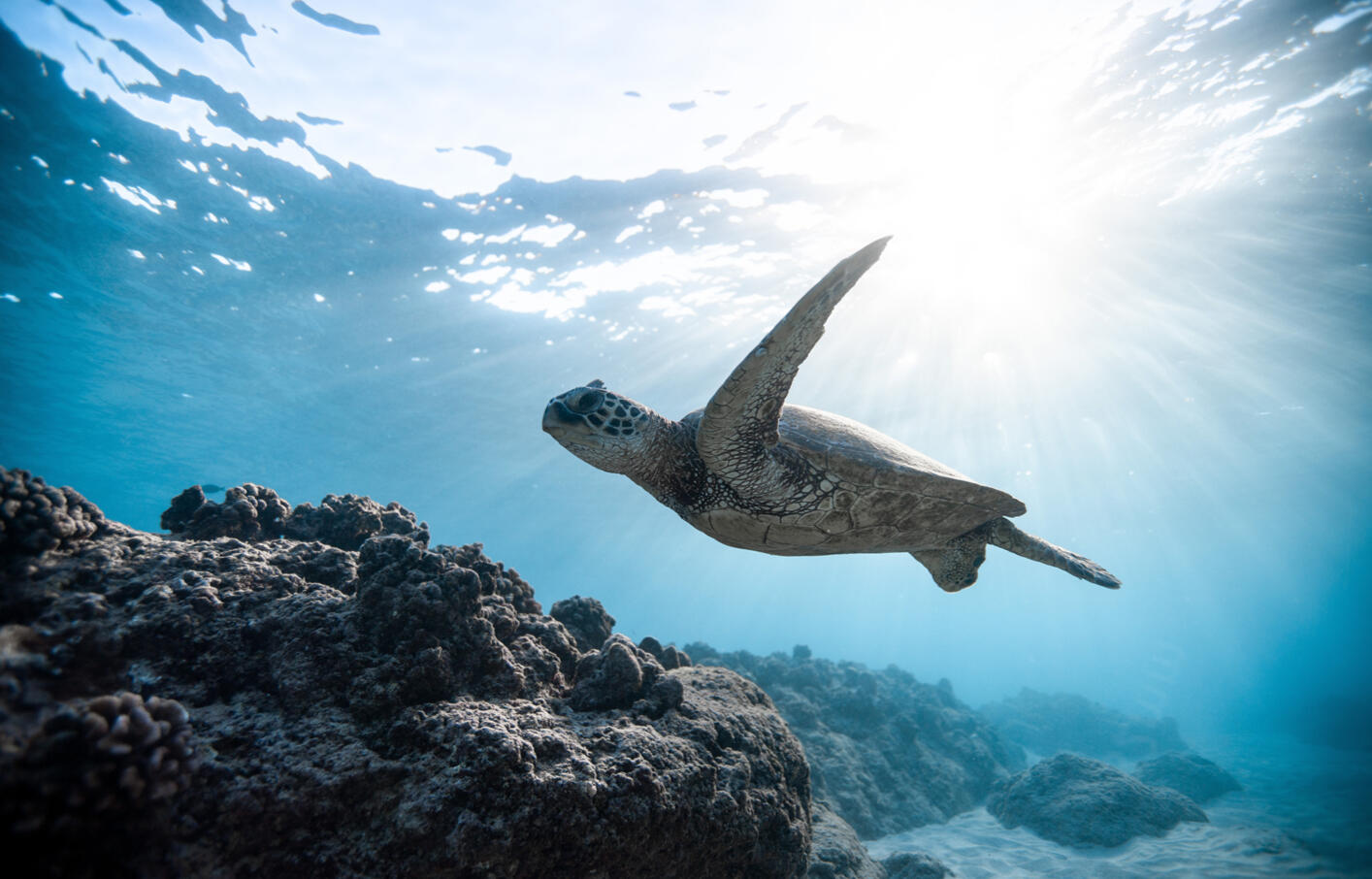
The Philippines is home to five out of the seven sea turtle species worldwide, all of which are endangered. Over the past four decades, various organizations and individuals have worked together to protect these species and their habitats. Conservation efforts include the establishment of marine protected areas, strict regulations against hunting and trade, community-based programs, and educational campaigns. By prioritizing understanding, conservation strategies, and community involvement, the Philippines aims to ensure the long-term survival and thriving of its sea turtle populations.
There are several ways to support Project SHELLS and contribute to the conservation efforts of Agrabah Ventures:
Volunteer:
Offer your time and skills as a volunteer. Contact AGrabah Ventures to inquire about volunteer opportunities related to sea turtle conservation, such as data collection, beach monitoring, educational outreach programs, or administrative tasks. Your involvement can make a significant difference in advancing the goals of Project SHELLS.Donate:
Consider making a financial contribution to support the initiatives of Project SHELLS. Donations can help fund essential resources and activities, such as the construction of a physical facility, purchase of equipment and technology for sea turtle monitoring, educational materials, and community engagement programs. Your donation can directly contribute to the success and sustainability of the project.Spread awareness:
Become an advocate for sea turtle conservation by spreading awareness about the importance of protecting these species and their habitats. Share information about Project SHELLS through your social networks, community groups, or local organizations. Encourage others to get involved and support the project through volunteering or donations.Participate in educational programs:
Attend and participate in educational programs or workshops organized by Project SHELLS. By increasing your knowledge about sea turtles, their ecological significance, and the challenges they face, you can become a better-informed advocate for their conservation. Share the knowledge you gain with others to raise awareness and inspire action.Collaborate:
If you represent an organization, business, or academic institution, explore possibilities for collaboration with Project SHELLS. Identify opportunities for joint initiatives, research partnerships, or corporate social responsibility programs that align with the goals of sea turtle conservation. Collaborative efforts can amplify the impact of the project and foster a broader network of support.Remember, supporting Project SHELLS goes beyond just financial contributions. Your active participation, whether through volunteering, spreading awareness, or collaborating, can significantly contribute to the success of the project and the long-term conservation of sea turtles in the Caramoan Area.
VOLUNTEER

DONATE

CSR Project of Agrabah Ventures
Project SHELLS is a corporate social responsibility (CSR) initiative undertaken by Agrabah Ventures, a company committed to promoting sustainable practices and environmental conservation. The project focuses on the protection and conservation of sea turtles, aiming to contribute to the preservation of these endangered species and their habitats.As a CSR project, Project SHELLS reflects Agrabah Ventures' dedication to social and environmental responsibility. It recognizes the importance of actively engaging in initiatives that benefit the communities and ecosystems where it operates. By prioritizing the conservation of sea turtles, AGrabah Ventures demonstrates its commitment to environmental stewardship and biodiversity conservation.Project SHELLS encompasses a range of activities and strategies aimed at achieving its conservation goals. These activities may include information campaigns, education and awareness programs, habitat restoration efforts, research initiatives, and collaborations with local communities and stakeholders. By implementing a multifaceted approach, the project aims to address the various challenges and factors contributing to the decline of sea turtle populations.
© Agrabah Ventures 2019